1. Make a plan
The crew decides how to enter, where to stage equipment and which products fit the contamination. The plan keeps the cleanup efficient and the home discreet.
Celina, TX · Collin County
Not sure whether what happened in Celina counts as a biohazard? Call (877) 812-4220 and ask. Cleanup crews deal with bodily fluids, human waste, sharps and decay, then disinfect and deodorize.
If anyone is in danger, call 911 first. For a suicide crisis, call or text 988.
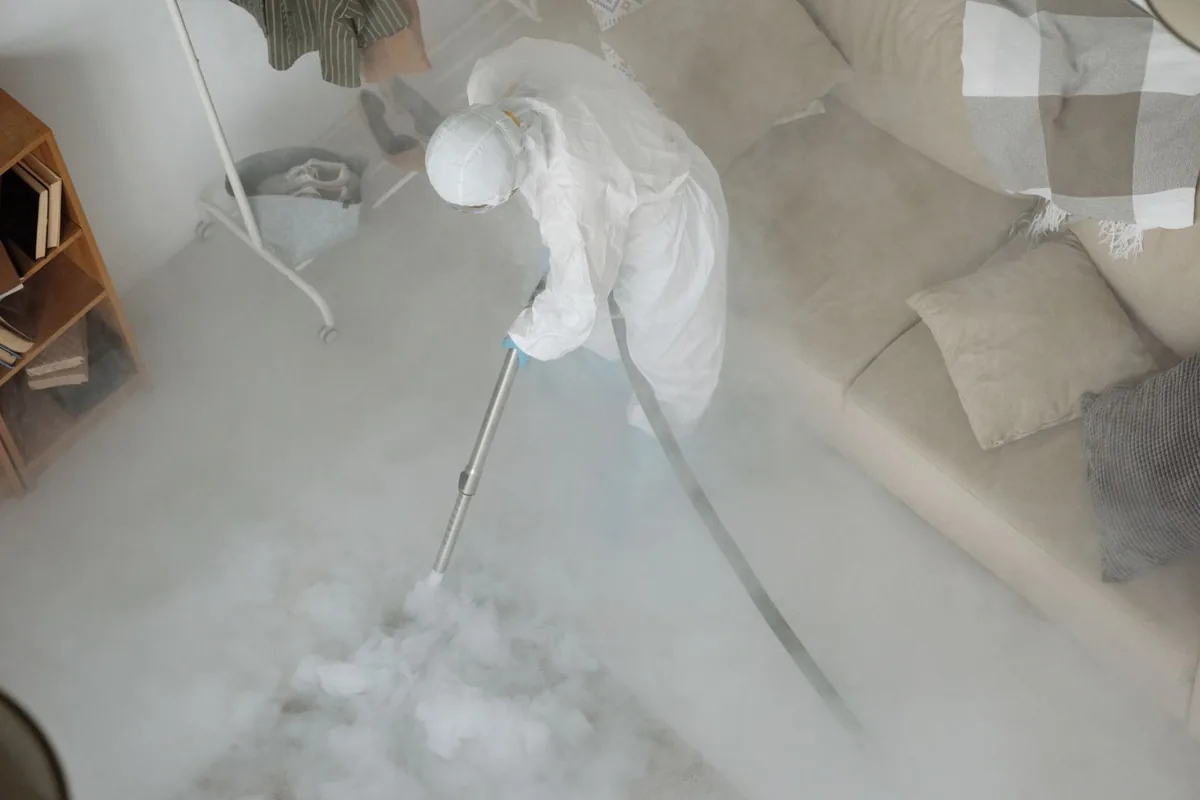
Biohazard remediation, the term many crews use for a full cleanup, is the process of containing, removing and disinfecting hazardous biological material. It also covers odor removal and the hauling of contaminated waste.
If contamination is found at your property in Celina or elsewhere in Collin County, call Celina Biohazard Cleanup Help and get one team for the whole job. That means containment, removal of soaked materials, disinfection, odor treatment and waste disposal.
Fewer older adults in Collin County live alone than across Texas, but a death at home still calls for biohazard cleanup when it is not found right away. After the Collin County Sheriff's Office or local police finish at a Collin County property, the owner or family sets up the cleanup, since officers do not clean.
A typical biohazard cleanup job includes:
The crew decides how to enter, where to stage equipment and which products fit the contamination. The plan keeps the cleanup efficient and the home discreet.
Crews put on PPE, close off the affected area and keep people and pets out. Air movement is limited so germs are not carried into other rooms.
Visible material is picked up first. Soaked carpet, padding and other porous items are cut out, sealed and set aside, and the remaining surfaces are scrubbed.
An EPA-registered disinfectant stays wet on each surface for its full contact time. The team treats odor, hauls waste and checks the work before leaving.
Most biohazard cleanup jobs in Celina, TX cost between $1,500 and $25,000, based on published cost guides.
The price of biohazard cleanup depends mostly on how large the affected area is and how deeply the contamination soaked in. A spill on a hard floor takes far less work than fluids that reached carpet, padding and subfloor.
| Type of job | Typical range |
|---|---|
| Residential average range | $1,800 - $4,500 |
| Full published span | $1,500 - $25,000+ |
| Typical national range | $3,000 - $5,000 |
| Most residential projects | $2,500 - $8,000 |
Estimates only, not a quote. Sources: Fixr, Yelp Costs, Biohazard cleanup cost guide from a biohazard cleanup company. Price drivers include type of contamination, size of the affected area, how far fluids soaked into porous materials, waste handling and disposal. Call (877) 812-4220 to talk through the job.
Frequently. If a policy covers the event, it can pay after the deductible. The Texas Crime Victims' Compensation Program, run by the Office of the Attorney General, pays up to $2,250 for crime scene clean-up for crimes after July 14, 2016, with insurance used first and claims filed within three years. Questions go to (800) 983-9933.
In many cases no. Owners, family members and property managers can set up access with the crew, and the team can work while you are away. Say so when you call if staying elsewhere is easier.
It depends on the cause and the property. Insurance is the first place to look. Without it, the owner, the estate or the family usually pays, and in a rental the lease and local law decide. Some cleanup teams offer payment plans.
The OSHA Bloodborne Pathogens Standard, 29 CFR 1910.1030, protects workers who may contact blood or other infectious material. Professional crews follow its rules on PPE, handling and waste. Employers have their own duties, and safety staff can explain them.
Contaminated materials are sealed, labeled and hauled as regulated medical waste, not put in household trash. In Texas, companies that haul other people's untreated medical waste register with the Texas Commission on Environmental Quality. Ask the cleanup team how its waste is handled.
Yes. Dried blood can still carry bloodborne pathogens, and scraping or sweeping it can put particles in the air. Leave it alone, keep people away and have a cleanup team treat it with protective gear.
Calls are answered 24/7, and the crew works discreetly.
Call (877) 812-4220